Getting Started at Nordic Hiking
This page has information to introduce you to Nordic Hiking.
Provided are instructional links, checklists and a few easy starter trips.
Nordic Hiking? Originally, my resources referenced Nordic (cross country) skiing but I know a lot of folks who want to try snowshoeing. I don't snowshoe but most of the information presented for skiing is interchangeable between the two winter sports. When building this web page I didn't what to continually reference skiing/snowshoeing so I came up with the term "Nordic Hiking. When asked about Nordic skiing I've always told people that it is really just winter hiking but with skis. Snowshoeing is really no different thus Nordic Hiking.
WARNING: do not use outdoor techniques you have seen on TV dramas or the movies. Hollywood types don't know SQUAT about the out of doors and a lot to the things that they portray are down right dangerous!
Getting Your Gear
If you want to take up Nordic hiking the first thing to do is round up the gear you will need.
There are many sources for outdoor gear, which ones you choose will depend on your budget and availability. A great outdoors's man, Horace_Kephart (1862-1931), said "buy the best gear you can afford"
Oh, as for clothing fabric COTTON?, NO! NO! NO! NO! Cotton Kills! You can by polyester and fleece pants and shirts at thrift stores for a few dollars. I know they are not "cool" but the great thing about Nordic hiking is no "fashion police".
Any outdoor store or catalog store will have everything you will need. Quality and price vary so shop around. There are also used gear stores such as "Play it Again Sports" and you can find used and new gear at Ski Swaps. Thrift Stores are also a good place to score some really nice gear.
I recommend not using your outdoor gear for everyday use and visa versa. You don't want to arrive at the snow park only to find out you left your rain shell at uncle Filbert's house.
To start round up your "Ten Essentials". Click on the link for a description of what they are.
Next, acquire additional items found in the "Nordic Hiking Checklist". Be sure and read the second page of the "Nordic Hiking Checklist", it has some information on why to bring certain items with some outdoor wisdom.
Snowpark Permits
Most ski areas, like Hoodoo, don't require them but any other plowed out area will.
They can be purchased for a day, three day or yearly and can be found at most outdoor stores and convience stores near winter sports areas. The snow parks link below has details and locations.
Snowshoe Etiquette
Please do not snowshoe over ski tracks, move off to the side. When you snowshoe over a ski track it's like turning a paved road into a pot-holed dirt road. Very annoying for the skier, especially if you have spent hours breaking trail in and expecting a nice glide out.
How to Start
The easiest way to get started is to go with an experienced person.
One note about "experienced hikers" is they can be proned to under estemate the difficulty of a trip. Easy for them could be brutal for a beginner. Don't let them push you too far. They should be willing to wait and go at your pace. Blue trails is what you want, not green and "black". You are justified in cursing them with discomfort with your ski pole. If you don't know an experienced hiker then a club such as the Oregon Nordic Club is a good place to start. Clubs offer may resources, education, experienced leaders, and weekly outings for various skill levels.
If you are going to go it alone then you will need to do a little more research and preparation.
Rersources
The "Cliff's Outdoor" home page has links and pages that cover a lot of information needed to safely experience the out of doors. Topics you should become familiar with are :
1. Map and compass, found on the Outdoor Lore & Survival and Compass Practice pages.
2. The "Ten Essentials"
3. Survivals skills on Outdoor Lore & Survival
4. Where to go using hiking guides and web sites, which can be found on the Links
on the "Cliff's Outdoor" page.
Public libraries and used book stores are good places to find guides and how-to books. "You Tube" and the web are also good resources.
Group Courtesy
1. Be on time.
2. Be prepared. Make sure you have all of your gear, food, water and clothing. You don't want to inconvenience the group because you forgot to bring an important piece of equipment. Gather up, check off, and pack all of your gear the night before then place it near the door, that way you'll be less likely to forget items in the morning brain fog.
3. Be an active participant. A group outing is not a free "guide" service. Be responsible for your equipment, help other group members when needed, learn about the route to the trail head and the area of the hike.
4. Clear your calendar for the whole day. Return times cannot be guaranteed, trail and road conditions, traffic or injury can delay a return. Don't inconvenience the group by insisting on a hard return time. If you must go to Uncle Filbert's fifth wedding then don't sign up for the hike.
Closing Advice
Like the Boy Scouts say, "be prepared". Carry the proper gear. Stay aware of your surroundings and the weather. Don't get so involved in conversations that you lose track of where you are. Don't over extend yourself; remember you have to hike out. In snow country, weather conditions can change very quickly. It can go from sunny to a whiteout in a very short time. Accidents can happen. Fall in a tree well or take a bad spill and you could break an ankle or blow a knee. If you require help, it could be hours before help can arrive, plenty of time for hypothermia to kill you or a friend. Be responsible for your friends; insist on their being prepared. A fun snow hike can quickly turn into a survival situation.
Some Beginner Nordic Hikes (back)
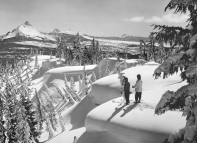
Hoodoo Nordic Area (ski)
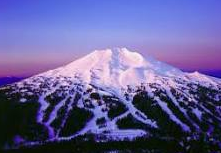
Mt Bachelor Nordic Area (ski)
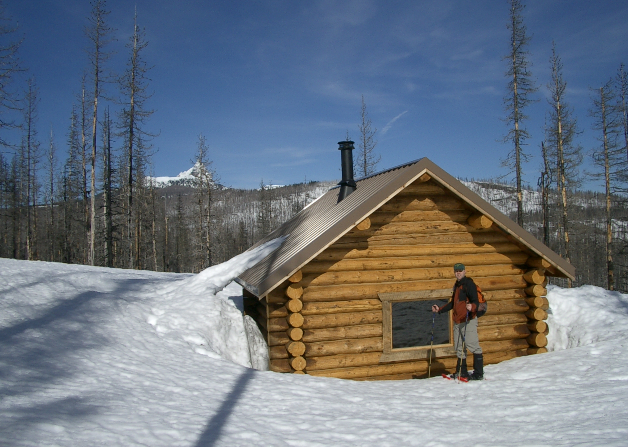
Ray Benson Snowpark (both)
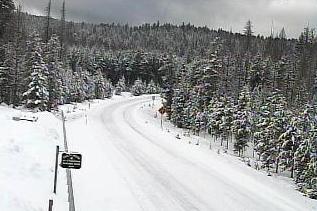
Hwy 22 Pushouts (both)
Outdoor Links (back)
Equipment Rentals (back)
Outdoor Stores (back)
Peak Sports(Corvallis)
Catalog Online Stores (back)
Sierra Trading Post (seconds and overstocks)
Ski Swaps(back)
Corvallis Ski Swap (in October)
Eugene Ski Swap (in October)
web design by plexus designare a division of ACME InterGalactic